 By
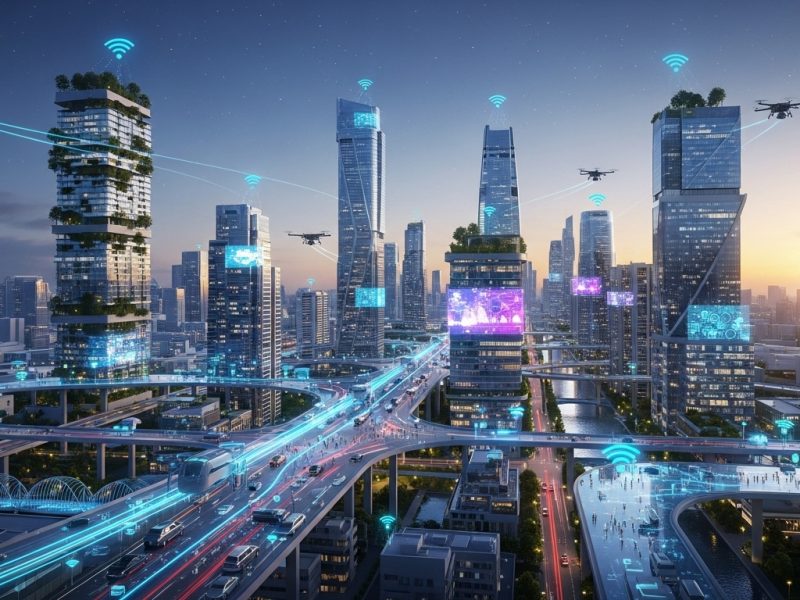
By Smart cities are redefining urban development through digital infrastructure and connected technologies. By integrating data, automation, and advanced communication systems, smart cities improve transportation, energy management, and public services. As global populations grow and urban challenges intensify, these intelligent systems offer sustainable and efficient solutions for modern living.
Connected Infrastructure and Real-Time Data
At the core of smart cities is the use of sensors and Internet of Things (IoT) devices that collect real‑time data. This information helps city planners optimize traffic flow, reduce energy consumption, and enhance public safety. Smart traffic lights, environmental sensors, and automated monitoring systems enable cities to respond quickly to changing conditions and improve overall quality of life.
Sustainability and Resource Efficiency
Smart cities also promote environmental sustainability. Intelligent energy grids balance supply and demand, reducing waste and improving reliability. Smart waste management systems use data to optimize collection routes, while smart water networks detect leaks and monitor usage. These solutions reduce resource consumption and support long‑term environmental goals.
Digital Governance and Citizen Engagement
Digital governance is another essential component of smart cities. Online platforms allow residents to access services, submit requests, and communicate with local authorities more efficiently. This digital accessibility increases transparency, strengthens public trust, and encourages greater civic participation. By simplifying administrative processes, smart cities create more responsive and citizen‑centered environments.
Integrated Urban Solutions
Cities implementing <a href=”https://emiratesbd.ae/urban-digital-solutions”>urban digital solutions</a> often build integrated systems that support long‑term sustainability and operational efficiency. These solutions connect transportation networks, public services, and environmental systems into a unified digital ecosystem. The result is a more resilient and adaptable urban environment capable of meeting future demands.
Global Perspectives on Smart City Growth
According to research from the World Economic Forum, smart cities will play a crucial role in addressing climate challenges and supporting economic growth. More insights are available at https://www.weforum.org. . These global findings highlight how digital infrastructure and intelligent systems contribute to sustainable development and improved urban resilience.
A New Model for Urban Living
Ultimately, smart cities represent the intersection of technology, sustainability, and human‑centered design. As digital infrastructure evolves, smart cities will continue shaping the future of urban living worldwide. By leveraging data, automation, and connected systems, cities can create safer, cleaner, and more efficient environments for their residents.