 By
By Balanced growth in community development is a key factor in achieving sustainable and inclusive progress. When growth strategies consider social, economic, and cultural dimensions together, communities are better positioned to thrive in the long term. Development that focuses only on economic expansion without addressing social well-being can create inequality and instability.
Balanced growth ensures that improvements in infrastructure, employment opportunities, and public services benefit all members of society. It encourages equal access to education, healthcare, and housing, helping communities reduce disparities and strengthen social cohesion. By aligning economic objectives with social responsibility, local leaders can create environments where both businesses and residents prosper.
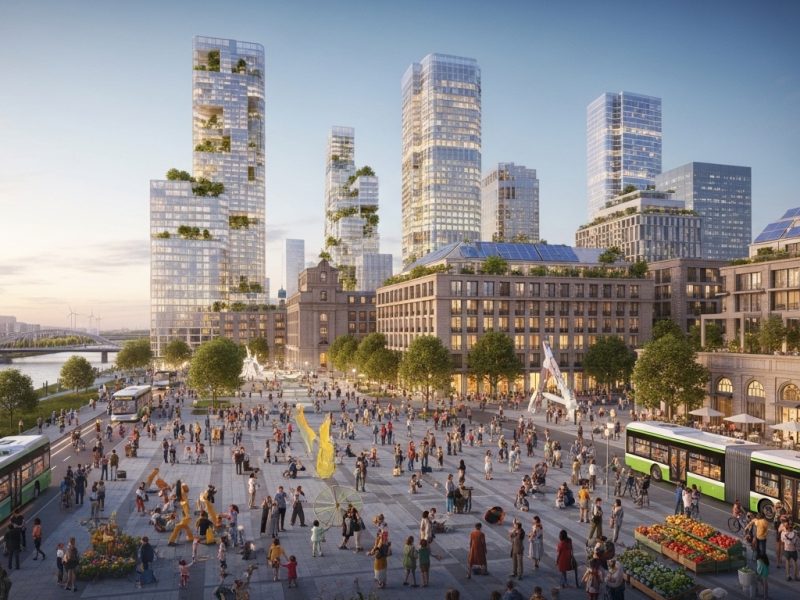
Another important aspect of balanced growth in community development is long-term sustainability. Rapid expansion without proper planning can strain resources, increase living costs, and damage the environment. However, a balanced approach integrates environmental protection with economic planning. Communities that invest in green spaces, efficient transportation systems, and responsible resource management build stronger foundations for future generations.
Inclusive decision-making also plays a critical role. When residents, local businesses, and policymakers collaborate, development plans reflect real community needs. This participatory approach increases trust and ensures that growth is not limited to specific groups but shared across society.
Moreover, balanced growth enhances economic resilience. Diverse local economies that support small businesses, innovation, and workforce development are better prepared to withstand global economic fluctuations. By promoting balanced growth in community development, cities and towns can adapt to change while maintaining stability and opportunity.
In conclusion, balanced growth is more than a planning strategy—it is a commitment to fairness, sustainability, and shared prosperity. Communities that prioritize balanced development create stronger economies, healthier living conditions, and inclusive opportunities that benefit both present and future generations.