
 By
By Customer-Centric Business Models
Introduction
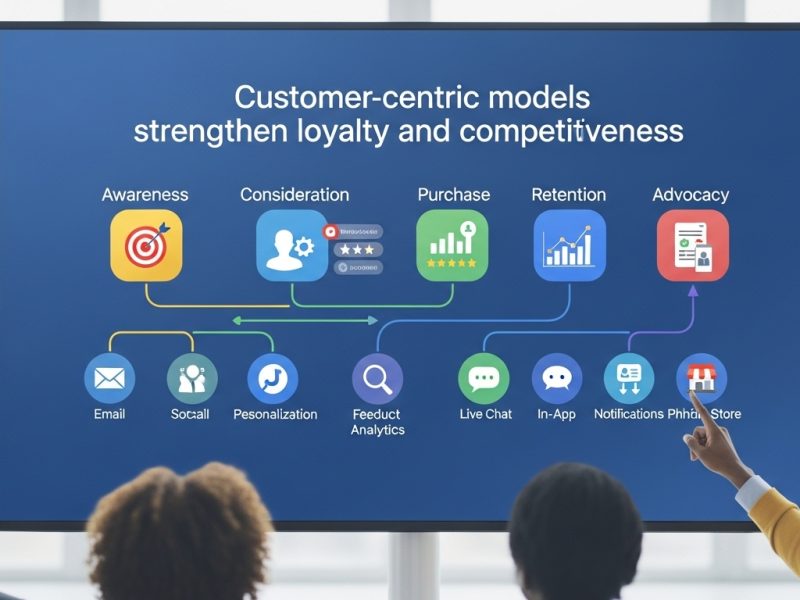
Customer‑centric business models are reshaping how organizations compete in modern markets. Companies that prioritize customer needs, expectations, and experiences consistently achieve stronger loyalty and long‑term competitive advantages. This approach goes beyond customer service; it requires aligning strategy, operations, and culture around delivering meaningful value.
Understanding Customer Behavior
Successful customer‑centric business models begin with a deep understanding of customer behavior. Organizations rely on data analytics, feedback systems, and market research to uncover patterns, preferences, and pain points. These insights guide decision‑making and help businesses design solutions that genuinely address customer needs.
Personalization and Engagement
Personalization is a core element of customer‑centric business models. Tailored services, targeted communication, and adaptive digital experiences strengthen engagement and improve retention rates. When customers feel understood and valued, they are more likely to remain loyal and advocate for the brand.
Operational Alignment
A customer‑centric approach requires internal alignment. Processes, teams, and technologies must support fast response times, consistent service quality, and seamless interactions. Organizations that optimize workflows and empower employees deliver more reliable and satisfying customer experiences. Related operational improvements, such as <a href=”https://emiratesbd.ae/business-process-consulting”>business process optimization</a>, can further enhance efficiency and support customer‑focused strategies.
Global Insights and Competitive Impact
Research from the Harvard Business Review shows that companies centered on customer value outperform competitors in profitability, innovation, and brand reputation. More insights can be found at: https://hbr.org These findings highlight that customer‑centricity is not a trend but a strategic foundation for sustainable growth.
Professional Support and Implementation
Many organizations strengthen their approach through <a href=”https://emiratesbd.ae/customer-experience-strategy”>customer experience strategy</a> services. These solutions help refine customer journeys, improve touchpoints, and build structured customer‑centric business models that align with corporate goals.
Conclusion
Ultimately, customer‑centric business models create long‑term value by aligning organizational priorities with customer satisfaction and loyalty. Companies that invest in understanding and serving their customers build stronger relationships, greater resilience, and a more competitive position in evolving markets.