 By
By The Internet of Things is transforming how devices communicate, operate, and interact in today’s digital environment. From smart homes to industrial automation, the Internet of Things enables physical objects to connect to the internet and exchange data in real time. This connectivity is reshaping daily life, business operations, and global infrastructure.
How Connected Devices Work
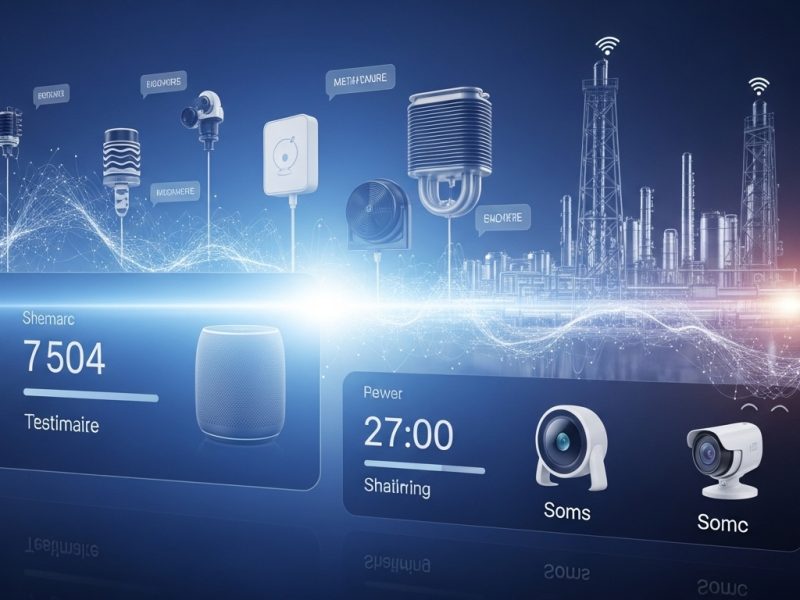
At its core, the Internet of Things refers to a network of interconnected devices embedded with sensors, software, and communication technologies. These devices collect, transmit, and analyze data to improve efficiency and enhance user experience. Whether monitoring temperature, tracking movement, or automating tasks, IoT systems create smarter and more responsive environments.
Real-Time Monitoring and Predictive Insights
One of the most significant benefits of the Internet of Things is real-time monitoring. Businesses can track equipment performance, predict maintenance needs, and reduce downtime through intelligent systems. In homes, connected appliances improve convenience, energy efficiency, and safety. Smart thermostats, lighting systems, and security devices all rely on IoT to deliver seamless control and automation.
The Role of Data in IoT Ecosystems
Data is the foundation of the Internet of Things. The information collected by smart devices allows organizations to analyze trends, optimize operations, and make faster, more informed decisions. This data-driven approach supports innovation across industries, from healthcare and transportation to retail and manufacturing.
Supporting Digital Transformation
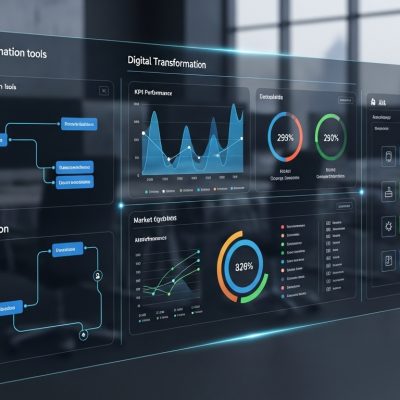
Organizations adopting <a href=”https://emiratesbd.ae/smart-technology-solutions”>smart technology solutions</a> often integrate the Internet of Things to enhance operational efficiency and drive innovation. IoT systems help businesses streamline workflows, improve customer experiences, and develop more agile digital strategies.
Global Perspectives on IoT Adoption
According to insights from the World Economic Forum, IoT adoption will significantly influence infrastructure, healthcare, and urban development. More information is available at https://www.weforum.org. . These global perspectives highlight the Internet of Things as a key enabler of smarter cities, sustainable systems, and advanced digital services.
A Shift Toward Smarter, Connected Environments
Ultimately, the Internet of Things represents a shift toward interconnected systems that communicate seamlessly and operate intelligently. As adoption expands, IoT will continue shaping the future of digital transformation, enabling more efficient processes, enhanced user experiences, and smarter environments across industries.