 By
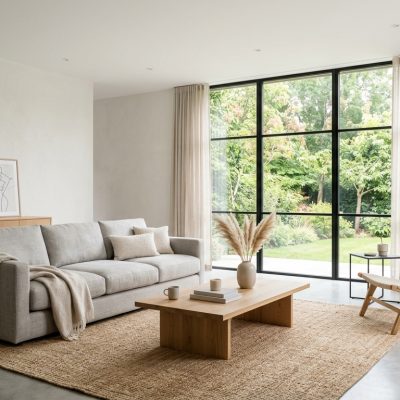
By Minimalist living benefits individuals who seek clarity, balance, and emotional well-being in a fast-paced world. As modern lifestyles become increasingly cluttered with material possessions and constant digital distractions, many people are turning toward simplicity as a path to greater happiness.
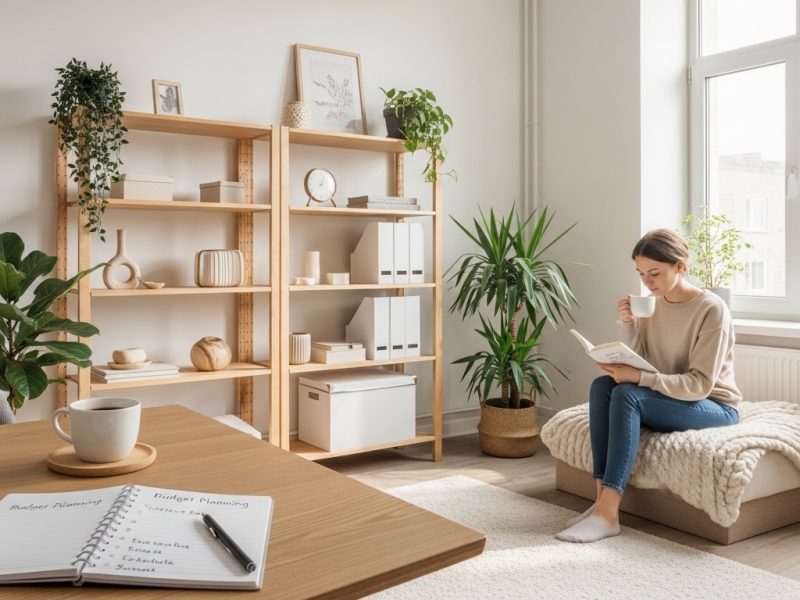
One of the main minimalist living benefits is reduced stress. When living spaces are organized and free from unnecessary items, the mind feels calmer and more focused. Decluttering not only improves physical environments but also creates mental clarity. As a result, individuals experience improved concentration and emotional stability.
Another important aspect of minimalist living benefits is financial freedom. By prioritizing needs over excessive wants, people spend more intentionally and avoid impulsive purchases. This conscious approach to consumption leads to better savings habits and long-term financial security. Over time, financial stability contributes significantly to peace of mind.
Furthermore, minimalist living benefits overall lifestyle quality by encouraging meaningful experiences over material possessions. Instead of accumulating items, individuals focus on relationships, hobbies, and personal growth. This shift in priorities often leads to deeper satisfaction and stronger connections with others.
In addition, simplifying daily routines allows for better time management. With fewer distractions and responsibilities related to unnecessary possessions, people can dedicate time to health, creativity, and self-care. Consequently, energy levels increase and overall well-being improves.
In conclusion, minimalist living benefits extend beyond a tidy home. This lifestyle promotes emotional balance, financial awareness, and personal fulfillment. Individuals who embrace simplicity often discover that less truly leads to more happiness and long-term life satisfaction.