 By
By Nature and Wellbeing for a Healthier Lifestyle
Nature and wellbeing have been closely connected throughout human history. Despite the growth of modern cities and digital lifestyles, people continue to benefit physically, mentally, and emotionally from spending time in natural environments. Whether through parks, forests, beaches, gardens, or outdoor recreational activities, nature provides valuable opportunities to improve overall health and create greater balance in daily life.
As modern routines become increasingly centered around screens and indoor environments, understanding the relationship between nature and wellbeing has become more important than ever. Research consistently demonstrates that regular exposure to natural surroundings can positively influence mood, reduce stress, and enhance overall quality of life.
Why Nature and Wellbeing Are Connected
The relationship between nature and wellbeing begins with the body’s natural response to outdoor environments. Natural settings often provide calming sensory experiences, including fresh air, greenery, sunlight, and natural sounds that help reduce mental fatigue.
Unlike busy urban environments filled with noise and constant stimulation, nature allows the mind to relax and recover. This restorative effect helps improve concentration, emotional regulation, and psychological resilience.
Many people instinctively feel more relaxed after spending time outdoors because natural environments support both mental and physical recovery from everyday stressors.
Mental Health Benefits of Nature
One of the most significant advantages of nature and wellbeing is improved mental health. Spending time in green spaces has been associated with lower stress levels, reduced anxiety, and greater emotional stability.
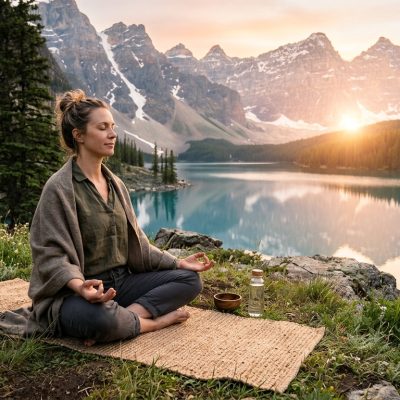
Nature encourages mindfulness by drawing attention to the present moment. Observing landscapes, listening to birds, or simply walking through a park can help individuals disconnect from daily pressures and focus on immediate experiences.
Regular exposure to natural environments may also improve mood and contribute to higher levels of overall happiness. Many people report feeling refreshed, energized, and emotionally balanced after outdoor activities.
Supporting Physical Wellness
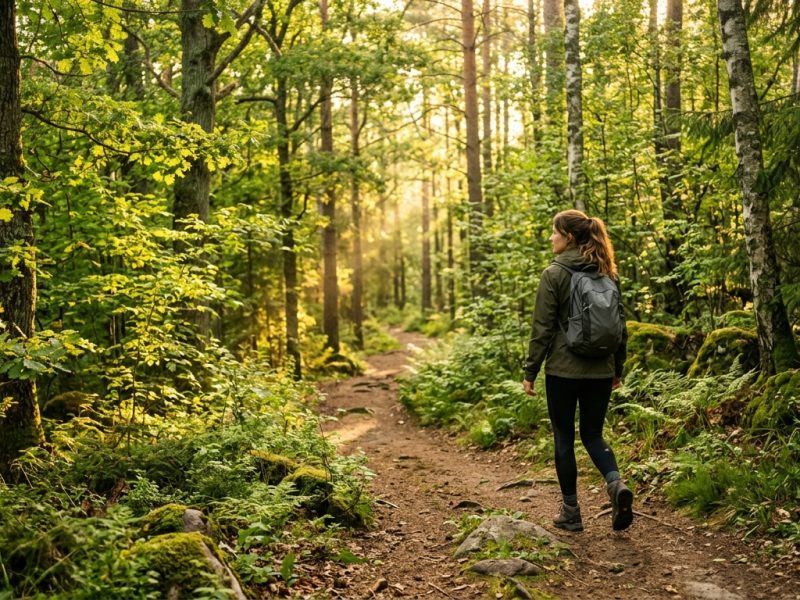
Nature and wellbeing are also linked through increased physical activity. Outdoor environments provide opportunities for walking, hiking, cycling, running, and recreational sports that support cardiovascular health and physical fitness.
Sunlight exposure contributes to vitamin D production, which plays an important role in bone health and immune function. Fresh air and movement further support overall wellness and energy levels.
Unlike structured exercise programs that some individuals may find difficult to maintain, outdoor activities often feel more enjoyable and sustainable because they combine physical movement with relaxation and exploration.
Strengthening Social Connections
Natural environments often serve as gathering spaces where people connect with family, friends, and communities. Shared outdoor experiences can strengthen relationships and encourage meaningful social interaction.
Community gardens, public parks, outdoor events, and recreational activities create opportunities for individuals to engage with others while enjoying the benefits of nature. Strong social relationships are consistently associated with higher levels of happiness and life satisfaction.
Organizations that encourage employee wellness together with <a href=”https://emiratesbd.ae/business-innovation-strategies”>business innovation</a> increasingly recognize the value of outdoor activities and wellness initiatives in supporting productivity and workplace morale.
Practical Ways to Spend More Time Outdoors
Incorporating nature into daily life does not require major lifestyle changes. Simple activities such as taking a walk during lunch breaks, visiting local parks, gardening, or exercising outdoors can provide meaningful benefits.
Weekend hiking trips, beach visits, and outdoor recreation offer additional opportunities to strengthen the connection between nature and wellbeing. Even small amounts of regular exposure can contribute to noticeable improvements in mood and energy.
Creating daily habits that prioritize outdoor time helps ensure consistency and maximizes long-term benefits.
Looking Toward a Healthier Future
As urbanization continues to increase worldwide, preserving access to natural spaces remains essential for public health and quality of life. Communities that invest in green infrastructure often experience improvements in physical health, environmental sustainability, and social well-being.
According to information shared by the World Economic Forum, access to green spaces and sustainable urban planning contribute significantly to healthier and more resilient communities. Additional details can be found at https://www.weforum.org.
Conclusion
Nature and wellbeing are deeply interconnected through their positive effects on mental health, physical fitness, emotional balance, and social connection. By spending more time outdoors and engaging with natural environments, individuals can improve overall quality of life and create healthier daily routines. In an increasingly digital world, nature remains one of the most accessible and effective resources for supporting long-term well-being.