 By
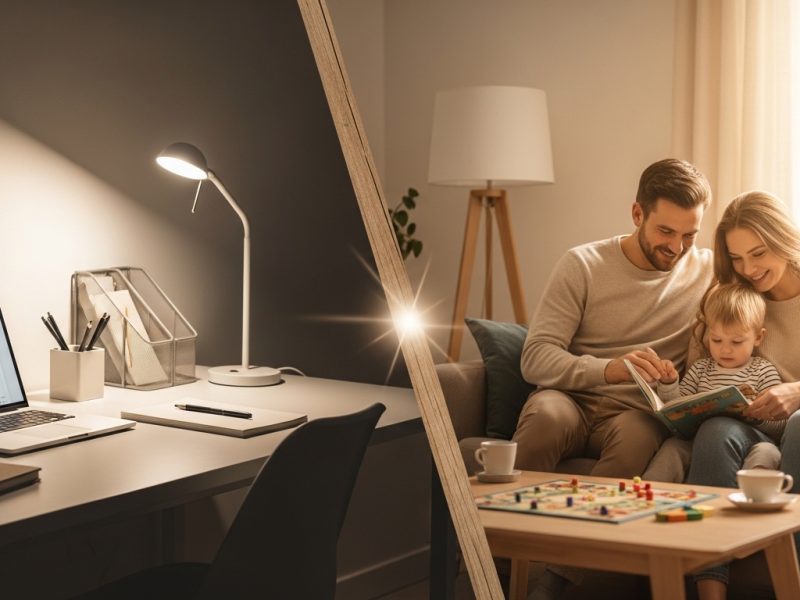
By Work-life balance has become increasingly important in modern living, especially with the rise of remote work and constant digital connectivity. Many individuals find it difficult to separate professional responsibilities from personal time, which can lead to stress, fatigue, and reduced overall wellbeing. Establishing healthy boundaries and intentional scheduling helps create a more sustainable rhythm between work and personal life.
Clear Boundaries for Healthier Daily Structure
Setting defined working hours is one of the most effective ways to support work-life balance. When professional tasks spill into personal time, stress levels rise and recovery becomes limited. Creating a clear end to the workday allows individuals to recharge, maintain emotional stability, and return to tasks with renewed focus.
Breaks to Prevent Burnout
Taking regular breaks throughout the day is another essential practice. Short pauses improve concentration, reduce mental overload, and lower the risk of burnout. A sustainable approach to work-life balance values rest as much as productivity, recognizing that recovery is a key component of long-term performance.
Relationships as a Source of Resilience
Strong personal relationships also play a significant role. Investing time in family, friends, and social connections strengthens emotional resilience and provides support during demanding periods. These relationships help individuals maintain perspective and stay grounded.
Health Insights and Research
Studies referenced by the World Health Organization highlight the negative impact of prolonged work-related stress on both physical and mental health. Learn more at https://www.who.int. . These findings reinforce the importance of creating boundaries that protect personal wellbeing.
Technology Boundaries for Mental Clarity
Technology management is equally important. Limiting after-hours emails, muting notifications, and setting device-free periods help individuals reclaim personal time and reduce cognitive overload. These habits support a healthier relationship with work and technology.
Intentional Energy Management
Ultimately, work-life balance is not about dividing hours equally. It is about managing energy intentionally and aligning daily choices with personal values. When individuals prioritize what matters most, they experience greater satisfaction, improved focus, and long-term wellbeing.